
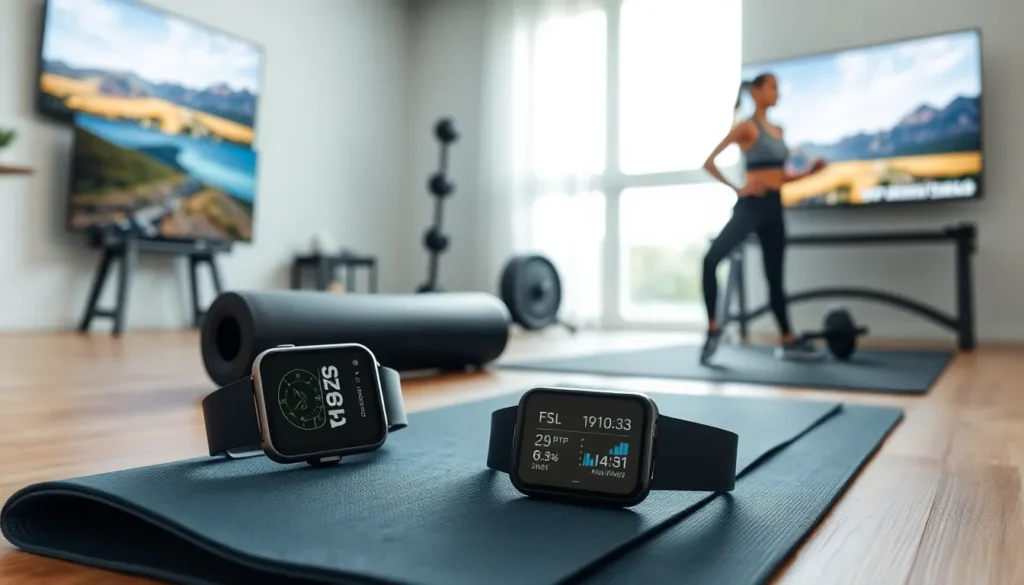
In a world where gym procrastination can be just a Netflix series away, fitness gadgets have popped up like mushrooms after rain. These nifty tools aren’t just about counting steps or tracking calories: they’re the modern-day motivators every fitness enthusiast dreams of. Picture this: you’re finishing your last set, and your smartwatch vibrates cheerfully, celebrating your progress as if its very existence depended on your workout. Now that’s some encouragement. Let’s jump into how these gadgets revolutionize your workout experience, making fitness less daunting and a whole lot more fun (and yes, this means fewer excuses).
The Evolution of Fitness Gadgets
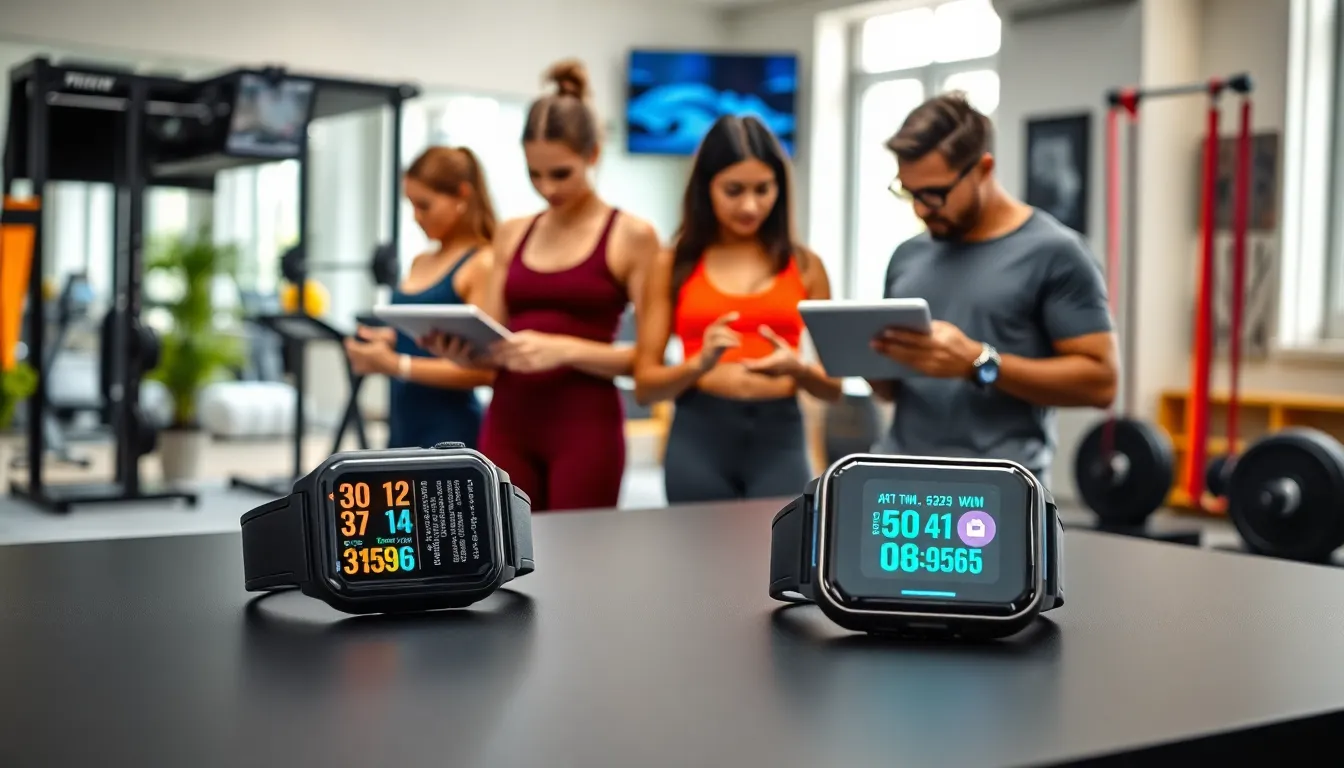
Fitness gadgets have undergone a spectacular transformation over the years. From the simple step counters of the 1960s to today’s comprehensive fitness ecosystems, the journey is intriguing. Early devices mostly revolved around mechanical technology. Think pedometers that simply counted your steps, functional, yes, but not particularly engaging.
Fast forward a few decades, and technology exploded into the fitness realm. With the rise of smartwatches and wearable fitness trackers, enthusiasts gained access to a goldmine of data. These tools now monitor heart rates, sleep patterns, and even calorie burns, truly a fitness revolution. Now it’s not just about movement: it’s a holistic approach to health where data plays a crucial role in achieving fitness goals.
Types of Fitness Gadgets
1. Wearable Fitness Trackers
When it comes to wearable fitness trackers, they’ve become akin to electronic workout buddies. These nifty devices, like Fitbit and Garmin, can track everything from steps and distance to heart rate and sleep quality. The best part? They often sync seamlessly with mobile apps, providing insights and trends to help individuals understand their fitness journeys better.
2. Smart Sports Equipment
Gone are the days when equipment was just equipment. With innovations in smart sports gear, whether it’s a connected basketball or a smart yoga mat, users can now access real-time feedback and coaching tips. For instance, smart weights adjust resistance based on how the user feels, making workouts more efficient and exciting.
3. Mobile Fitness Apps
Let’s face it: sometimes, the most powerful fitness gadget is just a smartphone. With countless fitness apps available, individuals can follow workout plans, track their meals, and even find virtual workout partners. Whether through guided classes or personalized coaching, these apps enrich the fitness experience and cater to diverse needs.
Benefits of Using Fitness Gadgets
1. Increased Motivation
Research shows that fitness gadgets can significantly boost motivation levels. Seeing real-time progress can encourage individuals to push through tough workouts. Whether it’s receiving notifications when hitting personal bests or reminders to move, these gadgets provide the nudge many need to stay active.
2. Enhanced Accountability
Utilizing fitness gadgets often translates to enhanced accountability. Some devices can share progress with friends or family members. This social aspect allows for friendly competition and support, making it harder for individuals to skip workouts. Accountability doesn’t make the process feel burdensome: rather, it transforms fitness into a community effort.
3. Data-Driven Insights
Perhaps one of the most significant advantages is the data-driven insights fitness gadgets provide. Users can analyze their workouts, sleep patterns, and heart rates in real-time. This information enables them to make informed decisions about their health routines, adjusting them based on what works best for their bodies.
Considerations When Choosing Fitness Gadgets
1. Compatibility with Devices
Before selecting a fitness gadget, one must consider its compatibility with existing devices. For instance, if a user primarily relies on an Apple device, choosing a compatible fitness tracker makes syncing data seamless and convenient.
2. Features and Functionality
Not all fitness gadgets are created equal. Users should assess what features matter most to them. Whether they need heart rate monitoring, GPS tracking, or sleep analysis, understanding personal fitness goals helps narrow down the options.
3. Pricing and Budget
Finally, budgeting is crucial. Fitness gadgets span a wide price range. Consumers must identify what they’re willing to spend and how much value they’ll gain from a specific device. An expensive tracker might offer advanced features, but it’s essential to ensure that such features align with the individual’s fitness needs.
Future Trends in Fitness Gadgets
As technology continues to evolve, the future of fitness gadgets looks brighter than ever. One prominent trend is the integration of artificial intelligence. Imagine personalized fitness coaching powered by AI, suggesting workouts and meal plans tailored just for you based on past performance and preferences.
Also, the rise of virtual and augmented reality in fitness is on the horizon. Picture engaging in a workout that transports you to a beach or a mountain trail right from your living room. Such innovations promise to revolutionize how people perceive fitness, making it less of a chore and more of an adventure.